Downward Dog Alignment: Common Mistakes and Corrections
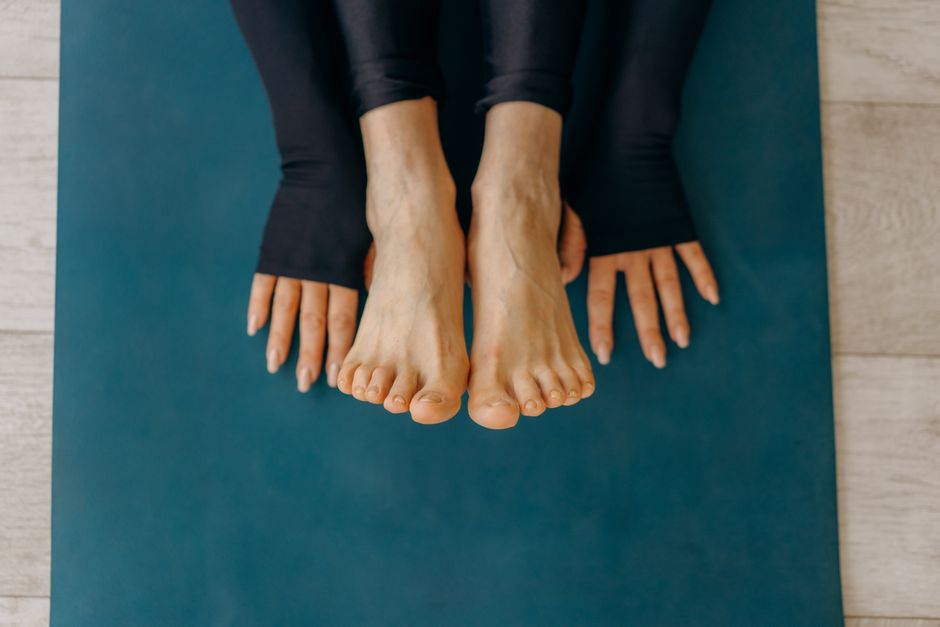
Downward dog, known as Adho Mukha Svanasana, is one of the most recognized poses in yoga. It appears in countless sequences, from gentle beginner classes to advanced vinyasa flows. Despite its prevalence, maintaining proper alignment in this pose can be challenging for many practitioners. The inverted V shape requires coordination between the hands, feet, spine, and hips. When done correctly, the pose offers a full-body stretch and strengthens the arms, shoulders, back, and legs. However, common alignment mistakes can reduce benefits or create unnecessary strain.
This article examines typical alignment errors in downward dog and provides practical corrections. The focus is on understanding how small adjustments in foot placement, hand positioning, and spine lengthening can lead to a more balanced and effective pose. Rather than aiming for a picture-perfect shape, the goal is to find a version of downward dog that works safely for each individual body. By learning to recognize and correct common mistakes, practitioners can approach this foundational pose with greater awareness and confidence.
The corrections described here are based on general biomechanical principles. Individual anatomy varies, and what works for one person may not suit another. The following suggestions are intended as informational guidelines, not as prescriptive instructions. Sage Yoga encourages students to listen to their own bodies and consult a qualified instructor when needed.
Understanding Downward Dog Alignment
Before addressing mistakes, it helps to define what ideal alignment looks like in downward dog. The pose begins on hands and knees, with the wrists directly under the shoulders and knees under the hips. From there, the practitioner tucks the toes and lifts the knees off the mat, pressing the hips upward and back. The arms remain straight but not locked, and the head hangs naturally between the upper arms. The feet are hip-width apart, with heels reaching toward the floor. The spine is long and neutral, without excessive rounding or arching.
In a well-aligned downward dog, the weight is distributed evenly between hands and feet. The shoulders rotate externally to create space in the upper back, and the thighs engage to support the lower back. The pose is active, not passive; muscles work to maintain the shape while breathing remains steady. This foundation allows the pose to serve as a transition, a resting posture, or a strengthening exercise depending on the context.
Because downward dog involves multiple joints and muscle groups, small deviations can compound over time. Recognizing where misalignment commonly occurs helps practitioners self-correct and avoid developing compensatory patterns that may lead to discomfort.
Common Foot Placement Mistakes and Corrections
Foot placement is a frequent source of misalignment in downward dog. One common mistake is turning the feet outward, so the inner edges of the feet lift off the mat. This often happens when the hips are tight or when a practitioner tries to force the heels to the floor. Another error is placing the feet too close together or too far apart, which affects the stability of the lower body and the angle of the pelvis.
To correct foot alignment, begin by ensuring the feet are hip-width apart. A practical way to check is to look between the legs; the feet should be directly underneath the hip joints. Press the big toes into the mat and lift the inner arches slightly. This action engages the muscles of the lower legs and helps distribute weight evenly across the feet. The heels do not need to touch the ground. In fact, forcing them down can compress the lower back. Instead, allow the heels to hover while keeping the legs active.
For those with tight hamstrings, bending the knees slightly can help maintain a neutral spine. This adjustment is preferable to locking the knees or rounding the lower back in an attempt to straighten the legs. Over time, as flexibility improves, the heels may naturally move closer to the floor without compromising alignment. The key is to focus on the sensation of length along the back of the legs, not on achieving a specific foot position.
Hand Position Errors and Adjustments
Hand placement in downward dog affects the alignment of the wrists, shoulders, and upper back. A frequent mistake is placing the hands too far forward or too wide apart. This can shift too much weight into the shoulders and create tension in the neck. Another error is allowing the fingers to flatten or lift, which reduces the surface area supporting the body and can strain the wrist joints.
For proper hand positioning, begin with the hands shoulder-width apart. Spread the fingers wide and press evenly through the fingertips and the base of each finger. The middle finger should point straight ahead, or slightly outward for those with wrist sensitivity. Imagining the shape of a suction cup beneath each palm can help distribute weight away from the wrist creases. This action strengthens the forearms and creates stability in the hands.
Another useful correction involves the rotation of the upper arms. Many practitioners internally rotate the shoulders, causing the chest to sink toward the floor. Instead, gently rotate the inner elbows toward each other while keeping the hands anchored. This external rotation of the upper arms broadens the collarbones and reduces strain on the shoulder joints. If discomfort in the wrists persists, placing a wedge or folded blanket under the heels of the hands can provide relief while maintaining alignment.
Spine Lengthening and Hip Alignment
Perhaps the most common challenge in downward dog is achieving a long, neutral spine. When the hamstrings or shoulders are tight, the lower back tends to round, creating a C-shaped curve. Alternatively, some practitioners over-arch the lower back by pushing the chest toward the thighs. Both patterns shorten the spine and reduce the intended lengthening effect of the pose.
To encourage spine lengthening, focus on initiating the movement from the hips. Instead of trying to press the chest down, draw the hip points away from the hands and lift the sitting bones toward the ceiling. This action creates space between the vertebrae and engages the core muscles. The belly should remain soft but active, supporting the lower back without gripping.
Foot placement also influences hip alignment. If the feet are too close together, the pelvis may tilt to one side. Keeping the feet hip-width apart allows the hips to square evenly. For additional support, a slight bend in the knees can help tilt the pelvis forward, which naturally elongates the spine. Over time, as mobility improves, the legs can straighten without sacrificing spinal length. The sensation of stretching from the wrists to the hips to the heels is a sign that the spine is moving toward its neutral position.
Neck and Shoulder Considerations
The neck is often overlooked in downward dog, but improper position can create tension that radiates through the shoulders and upper back. A frequent mistake is dropping the head too far forward, causing the neck to hyperextend. Another is lifting the chin to look between the hands, which compresses the cervical spine. Both patterns can lead to discomfort over repeated practice.
For optimal neck alignment, allow the head to hang freely between the arms. The ears should align with the upper arms, and the gaze should be directed toward the thighs or gently toward the navel. Avoid dropping the chin to the chest, as this can compress the front of the neck. Instead, imagine the neck lengthening as a natural extension of the spine. If the shoulders are tight, the tendency is to shrug them toward the ears. Actively drawing the shoulder blades down the back and away from the ears helps create space.
Shoulder positioning directly influences neck comfort. When the shoulders externally rotate and the shoulder blades slide toward the hips, the trapezius muscles relax. This adjustment allows the weight of the upper body to be supported by the arms and shoulders rather than by the neck. For those with chronic neck tension, practicing downward dog with the hands elevated on a block or chair can reduce the load and allow for a better shoulder-neck relationship. As with all adjustments, the aim is to find a version of the pose that feels sustainable and comfortable for the individual.
Alignment in downward dog is not a fixed destination but an ongoing process of observation and adjustment. Small changes in hand or foot placement can significantly alter the experience of the pose.