Body Scan Meditation for Beginners: How to Start
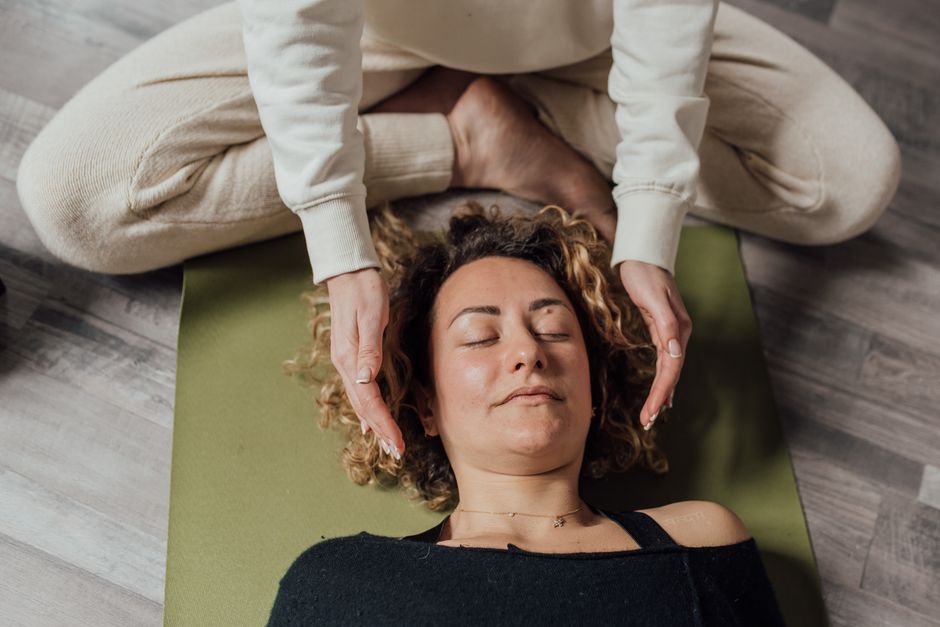
Body scan meditation is a practice that invites individuals to bring gentle awareness to different areas of the body, systematically moving attention from one part to another. Originating from mindfulness traditions, this technique is often used as a way to cultivate present‑moment awareness and to develop a non‑judgmental relationship with physical sensations. For those new to meditation, the body scan offers a concrete and accessible starting point because it provides a clear focus: the physical body itself.
Many meditation instructors, including those associated with Sage Yoga, recommend this approach as a foundation for broader mindfulness practice. Rather than attempting to empty the mind, practitioners simply observe whatever sensations arise—warmth, tingling, pressure, or even neutral feelings—without labeling them as good or bad. Over time, this structured observation can help individuals become more attuned to the signals their body sends, which may support greater relaxation and a sense of grounding.
This article outlines a straightforward method for performing a body scan, along with practical considerations for integrating the practice into a regular routine. The emphasis is on the process itself—on how to direct attention and what to do when the mind wanders—rather than on any particular outcome. By following these steps, beginners can build confidence in their ability to meditate and develop a skill that can be adapted to various contexts and durations.
Preparing for a Body Scan Meditation Session
Before beginning the body scan, it helps to choose a setting where interruptions are unlikely. A quiet room, a comfortable mat or chair, and loose clothing can make the experience more conducive to relaxation. However, one does not need a completely silent environment; the goal is to work with whatever sounds or distractions arise, noticing them without engaging. Practitioners often find that lying down is the most natural posture for a body scan, as it allows the muscles to release fully. Sitting upright in a chair with feet flat on the floor is another option if lying down feels too sleep‑inducing.
Setting a timer can be useful, especially for those who worry about the duration. A typical beginner session might last between five and fifteen minutes. The intention is not to achieve a specific state, but simply to follow the sequence of attention. Some people prefer to close their eyes to reduce visual input, while others keep them softly open with a gaze directed downward. Both approaches are valid, and experimenting with either can reveal what works best for the individual. Taking a few deep breaths at the start can help signal the transition from daily activity to meditative practice.
Step‑by‑Step Guide to the Body Scan
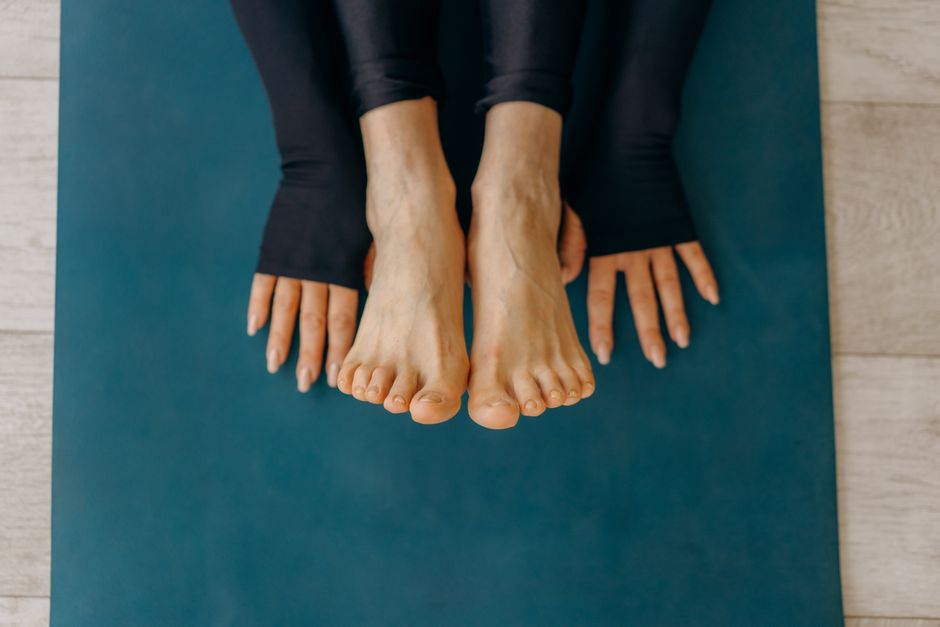
The classic body scan begins at the feet and gradually moves upward. One might start by bringing awareness to the toes of both feet, noticing any sensations—contact with the floor or socks, the temperature, or perhaps none at all. After a few breaths, attention shifts to the soles, heels, and then to the ankles. The process is unhurried; spending about three to five breaths on each area allows the mind to settle into observation. If there is discomfort or pain, practitioners are encouraged to acknowledge it without trying to change it, simply noting its presence and then moving on when ready.
From the lower legs, attention moves to the knees, thighs, hips, and pelvic area. This progression continues up the torso: lower back, belly, ribs, chest, and upper back. Sensations in the torso can be varied—the rise and fall of the breath, the hardness of the floor, or the softness of the abdomen. The next stage includes the hands, arms, shoulders, and neck. The neck and shoulders often carry tension, and noticing this without judgment is part of the practice. Finally, attention reaches the face, jaw, scalp, and the crown of the head.
A key instruction throughout the body scan is to maintain a curious, accepting attitude. If the attention drifts away to thoughts, sounds, or emotions, one simply acknowledges that this happened and gently returns to the area of focus. There is no need to criticize oneself for wandering; the act of coming back repeatedly is the essence of the training.
After reaching the top of the head, some practitioners choose to continue the scan in reverse, moving back down to the feet. Others prefer to rest in a full‑body awareness for a few moments before slowly opening the eyes. The entire sequence can be completed in as little as ten minutes, or extended to thirty minutes for those who wish to explore each region in greater depth.
Common Experiences and How to Approach Them
Beginners often notice that the mind becomes restless or sleepy during a body scan. These are normal reactions. Restlessness may indicate that the attention is adjusting to a slower pace, while drowsiness can be a sign of accumulated fatigue or a relaxation response. If sleepiness is persistent, trying the scan while sitting upright rather than lying down can help maintain alertness. Another frequent experience is the discovery of previously unnoticed tension or discomfort. Rather than viewing this as a problem, practitioners can treat it as information—a signal that the body is prompting attention.
Some individuals feel a sense of detachment or numbness in certain areas, which is also common. The goal is not to force sensation but to be present with whatever is there, even if it is a lack of sensation. Over multiple sessions, awareness may become more refined. As the practice deepens, the ability to feel subtle sensations such as tingling, warmth, or vibration often increases. It is important to emphasize that no specific sensation is required; the process itself is valuable regardless of what occurs.
Integrating Body Scan Meditation into Daily Life
Consistency tends to support the development of mindfulness skills. Setting aside a regular time each day—such as after waking or before bed—can help establish the habit. Even a brief five‑minute scan can be beneficial, especially when incorporated into a morning routine or a lunch break. Some practitioners use a partial body scan during moments of stress, focusing only on the shoulders or hands to ground themselves. Over time, the ability to quickly scan the body becomes a portable tool for regaining composure.
It may be useful to track the experience in a journal, noting any patterns in sensation or mood that emerge. For instance, one might observe that tension in the jaw appears before a stressful meeting, or that the lower back feels heavy after a long day of sitting. This kind of observation is not about diagnosing problems, but about fostering greater self‑awareness. Sage Yoga and other meditation communities often offer guided body scan recordings, which can be a helpful resource for beginners who prefer verbal cues. Listening to a guide can teach the pace and phrasing of the practice until one feels comfortable directing the scan independently.
Variations and Related Practices
Body scan meditation can be adapted to suit different settings and preferences. A lying‑down version is the most thorough, but a seated version works well in an office or while traveling. Another variation is the “quick scan,” where attention rapidly passes through the body in ten to fifteen seconds, noting only the most prominent sensations. This can be used in between tasks to reset awareness. Some traditions combine the body scan with breath awareness, pausing on each area to inhale and exhale into that region, though this is a more advanced technique.
The practice also overlaps with progressive muscle relaxation, which adds intentional tensing and releasing of muscle groups. While progressive muscle relaxation is more active, the body scan remains purely observational. Both methods share the goal of promoting physical awareness and release. For those who enjoy systematic approaches, the body scan can be a lifelong companion, adapting to changing physical conditions and levels of experience. The key is to approach each session with a spirit of curiosity, allowing the practice to unfold without expectation.